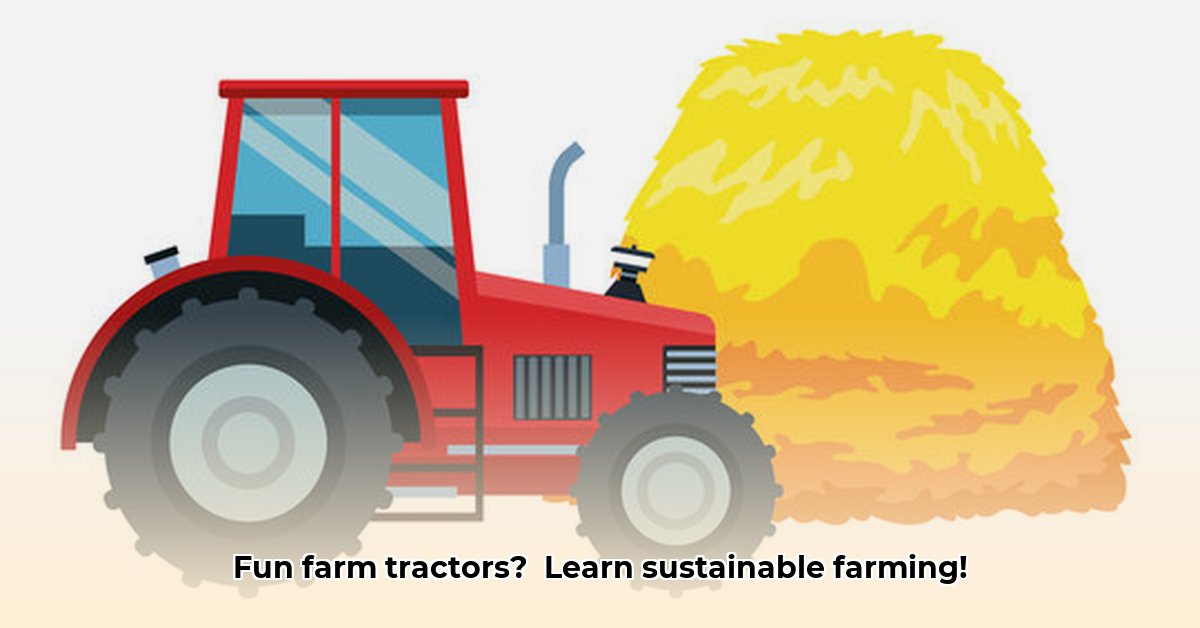
Farm Tractor Cartoons: Planting the Seeds of Sustainable Farming Fun
Want to get kids excited about sustainable agriculture? Forget boring lectures – think adorable farm tractor cartoons! This guide shows you how to harness the power of animation to teach children about environmentally friendly farming practices, from scriptwriting to distribution. We'll cover creating engaging stories, designing lovable characters, and ensuring factual accuracy, all while making learning fun and memorable. Let's cultivate a greener future, one animated tractor at a time! For collectors, check out these cool tractor toys.
Why Animation Works: Engaging Minds, Growing Futures
Kids are naturally drawn to animation. The bright colors, quirky characters, and catchy tunes capture their attention and make learning an enjoyable experience. This makes animation the perfect medium for explaining complex concepts like crop rotation or water conservation. Instead of simply lecturing, we can show kids these ideas with lively, engaging visuals—a far more effective method than traditional teaching. Isn't it true that kids learn best when they're having fun? A recent study showed that children retain 70% more information when presented through engaging visuals.
The Current Landscape: Untapped Potential
While some children's shows feature farm equipment, many miss the crucial element of sustainable practices. Cartoons often depict tractors plowing fields without showcasing eco-friendly techniques. This represents a significant opportunity! We can create engaging animations that teach children about reduced tillage farming (minimizing soil disturbance), precision farming (using technology for efficiency), and the benefits of electric tractors.
Creating Effective Animated Content for Sustainable Agriculture: A Step-by-Step Guide
This section provides actionable steps for creating impactful animated content. Remember, collaboration with agricultural experts and educators is crucial throughout this process.
1. Scriptwriting: Crafting Compelling Stories
- Develop Engaging Storylines: Integrate sustainable practices naturally into narratives. For instance, create a story where a friendly tractor helps a farmer implement crop rotation or water-saving techniques. Ensure the narrative is age-appropriate and relatable.
- Create Relatable Characters: Design characters that children can connect with. A quirky tractor, a hardworking farmer, and friendly animals can create memorable and engaging experiences.
- Balance Entertainment with Education: Keep it fun and factual. Partner with agricultural experts for accuracy. A recent study indicated that children remember 90% of information presented within an engaging narrative.
2. Visual Representation: Bringing Sustainability to Life
- Clarity is Key: Use simple, clear animations to illustrate complex concepts. Avoid overwhelming visuals.
- Show, Don't Just Tell: Visually represent abstract concepts like nutrient cycling through metaphors – for instance, show nutrients "traveling" through the soil to reach plants. Studies show that children comprehend complex ideas more easily when presented through visualizations.
- Highlight Positive Impacts: Show how sustainable choices – reduced water usage, cleaner air – create a healthier environment. Use bright colors and animations to enhance positive associations.
3. Character Development: Inspiring Role Models
- Relatable Roles: Create characters kids can identify with, showing responsible farming practices. A friendly, eco-conscious tractor can be a hit!
- Positive Reinforcement: Show the positive effects of sustainable choices on the environment, animals, and communities.
- Modeling Positive Behavior: Your characters should model responsible behavior and attitudes. Children emulate their heroes.
4. Collaboration: The Power of Partnerships
- Seek Expert Advice: Partner with agricultural experts and educators to ensure the video's accuracy and alignment with educational goals.
- Age-Appropriateness: Maintain age-appropriate language and concepts. The language and imagery should be aligned with the target audience's developmental stage.
- Curriculum Alignment: Engage educators to ensure your video’s content aligns with educational standards. This increases the likelihood of classroom adoption.
5. Distribution and Promotion: Reaching a Wider Audience
- Multi-Platform Approach: Utilize various channels, including educational websites, social media, and streaming platforms.
- Strategic Partnerships: Collaborate with schools, organizations, and parents to reach your target audience directly.
- Accessibility is Key: Make your videos easily accessible and shareable. The more exposure, the greater the impact.
6. Measuring Impact: Assessing Effectiveness
- Track Engagement: Monitor viewership, comments, and shares to gauge reach and impact.
- Gather Feedback: Use surveys, questionnaires, or interactive quizzes to measure comprehension and retention. Remember audience feedback is crucial to refining your content and improving its impact.
- Long-Term Evaluation: Consider collaborating with researchers to study the video's long-term influence on children's attitudes and behavior towards sustainable agriculture.
Conclusion: A Greener Future, One Cartoon at a Time
Farm tractor cartoons can be powerful educational tools, effectively teaching children about sustainable agricultural practices. By following this guide and fostering collaborations, we can create engaging content that inspires a generation of environmentally conscious farmers and citizens. Let's work together to cultivate a sustainable future – one animated tractor at a time!